Destinations
COLONIAL LIMA

LIMA THE CITY OF KINGS
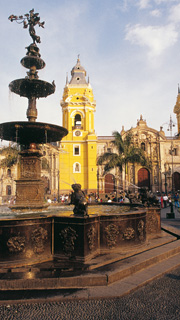
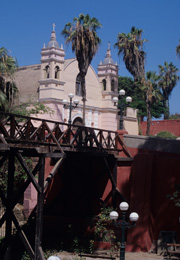
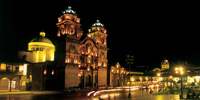
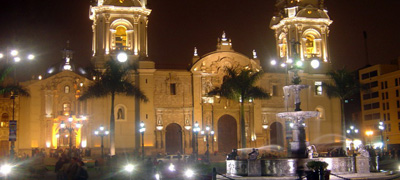
Lima, capital of Peru, founded on January 18, 1535, is a modern city which, while constantly expanding, has also managed to maintain the elegance of its Historic center. Declared by UNESCO as a World Heritage Center, due to the large number of artistic monuments, Historic Lima is an enchanting haven of a period long gone.

Lima's Cathedral, which City Fathers began building on the very day of the city's foundation; the Church and Convent of San Francisco, due to its harmony of volume and color, considered by some as the greatest architectural complex of its kind in Latin America, and Santo Domingo, with its beautiful main cloister, are but a few of the invaluable treasures which provide evidence of Lima's deep religious faith.   read more
Similarly, mansions such as the House of Aliaga ("Casa Aliaga"), built upon the private temple of the chief Taulichusco; the House of Goyeneche or Rada ("Casa Goyeneche or Rada"), with its obvious French influences; and the Torre Tagle Palace ("Palacio de Torre Tagle"), the most beautiful of Lima's early 18th century mansions, all symbolize the splendor and ostentation of Viceregal era.

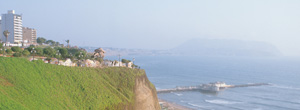
Built on the banks of the River Rimac, and caressed by the waters of the Pacific Ocean, the city of Lima also preserves traces of its pre-Hispanic period; most notably the great sanctuary of Pachacamac, where a god of the same name was worshipped, and the 'huaca' Pucllana, in the district of Miraflores, an important administrative center of the Lima culture (400 AC).

Lima's name comes from the 'aymara' word lima-limac or limac-huayta, the name of a yellow flower; or from the quechua ´rimac´ meaning 'speaker'. Because of these links with the pre-Hispanic past, its colonial past and the strong religious faith it gave it; its modern outlook and its festive nature, which bathes its eternally gray sky in color, Lima, will always be the City of Kings.   Close

Itinerary

1ST DAY
Arriving in Lima, reception at the airport and private transfer to the hotel.
Overnight in Lima.

2ND DAY
Breakfast at the hotel.
At a proper time private city tour in Lima visiting:

Ancestral Lima: We start our tour with a panoramic view of the "Pucllana Pyramid" a magnificent ceremonial and archeological center built in the 4th century a.D. and considered a "Sacred Village" by the Incas. The Viceroyalty of Perú was the most important of the Spanish Empire and Lima was its capital.

Colonial Lima: We visit the Historical Center of Lima, where you will appreciate more than fifty monuments and Colonial edifications, such as the Paseo de la República, the San Martín Square, the Main Square, the Government Palace, the Archbishop's Palace, the Cathedral Basilica, and the City Council Palace amongst others. We will visit the MUSEUM OF THE BANCO CENTRAL DE RESERVA*,where we will admire the "Treasures of Perú" collection, a fine selection of objects made of gold, ceramics and textiles from different pre-columbian cultures. We will visit the monumental SAN FRANCISCO CONVENT, which displays the largest collection of religious art in America. Our highlight will be the visit of the underground vaults, known as "Catacumbas" or Catacombs.

Contemporary Llima: We will visit traditional residential areas of Lima, such as El Olivar of San Isidro, Miraflores and Larcomar.

Lunch of Tasting Menu at Astrid & Gaston Restaurant, one of the S. Pellegrino World´s 50 Best Restaurants.

In the Afternoon visit the Peru Gold and Weapons of the World Museum for a first-hand experience of pre - Hispanic times where, in addition to finding items of gold, there is a great variety of textile mills, fabrics made of feathers, glass, huacos and ceramics representing the customs of the people.

You'll also get to see some of the mummified characters that still exist today as well as find various regional weapons and soldiers' uniforms from 1,200 BC, with horse saddles, spurs, armours and other important items that made history.

You will develop an awareness of what Peru and the rest of the world was like in ancient times when you explore our large exhibits and digest the tour.
Dinner at Mango´s restaurant in Larcomar Mall enjoying one of the best night views of the coast of Lima.
Overnight in Lima.

3RD DAY
Breakfast at the Hotel.
In morning our tour takes place in a typical "Casa Hacienda Los Ficus" (Peruvian Hacienda House), located in the valley of Lurin. In its beautiful gardens, a Peruvian Horsewoman "Amazona" will introduce you to the world of the Peruvian Paso Horse, narrating the story of this noble animal. Our exhibition includes elegant "chalanes" (Peruvian horse riders) riding beautiful horses. The breeding and grazing, together with the contact with nature will make your visit unforgettable. If you choose you can ride a Peruvian paso horse, known to be the smoothest riding horse in the world.

Our tour includes a countryside lunch, consisting of a welcome Pisco Sour, a salad bar, an excellent main course, a dessert and a glass of wine. After lunch we will go to THE PACHACAMAC ORACLE, there we will then have a guided tour through the splendid and vast archeological site of the Pachacamac Oracle, also known as the temple of the deity. The old Andean civilizations believed Pachacamac was the creator of the universe.

The citadel comprises temples, pyramids and palaces, such as the "Temple of the Sun", the "Temple of Pachacamac", the "Acllahuasi" or "Palace of the Virgins" of the Sun, amongst others. The whole area was considered holy and part of the mystical axis of the world.
Return to the hotel.
Dinner in a restaurant located in pier 4 of the Lima Beach Circuit, La Rosa Náutica offers a public eager for new experiences of Peruvian cuisine. Overnight in Lima.

4TH DAY
Breakfast at the Hotel.
Private transfer to the airport.
NAZCA LINES & PARACAS

Paracas and Nazca are two different places but located in the same state at South of Lima, in the central coast. Paracas is a beach so it's at sea level, but Nazca is not so close to the coastline, it's at 600 meters or 2,000 ft. above sea level. It's hot and dry during the day, but cold at night (10°C or 50°F). It almost never rain, but in Paracas drizzles are common in winter. Paracas is a marine reserve, the only one in Peru, and the reason is the quantity of seabirds that stop there in their migration from South to North, and the diversity of sea mammals and fish in the sea in this area. The species that can be seen all year around are sea lions, seals, penguins, sea otters, dolphins and almost 2 hundred species of birds, including Andean condor, flamingoes, pelicans, and of course, seagulls. It are many spots in the reserve, but the most famous is the Ballestas Islands.   read more
It's a group of small islands that shelter an enormous number of sea lions and seals. It can be reached by boats and you get very close, it's common that seals and sea lions swim around the boats, great opportunity to take pictures. Another interesting spot is the Candelabro, a huge (120 meters long) etching in the sand on a hill that faces the sea. It was a signal used by pirates who hided their selfs and their ships there.
These territories of Paracas and Nazca were home of two ancient cultures before the Incas. The Paracas was the first one (from 600 BC to 100 AD); but more interesting is the Nazca culture who left one of the biggest mysteries of ancient times, the Nazca Lines. Between the second and fifth centuries AD, it appeared the Nazca kingdom which developed new agriculture techniques and irrigation systems to convert the deserts into fertile valleys. They built aqueducts and dams that still work nowadays, and also a huge city, Cahuachi. Its remains can be visited, as the remains of its cemetery, Chauchilla. Both archaeological sites are very close to Nazca city.
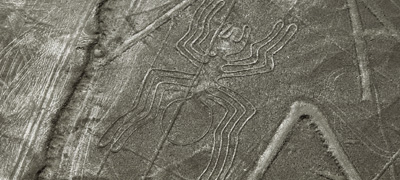
But the most interesting spot are the Nazca Lines, a group of 32 huge figures carved in the ground of desert plains with the shapes of animals (monkey, whale, fish, dog, llama, pelican, seagull, condor, hummingbird, lizard, fish spider, etc.) and plants, and even a human. Its purpose is still a mystery, but most of the experts agree that it was a calendar, or a chart of the stars and constellations. It were done in the 5th century AD by the Nazca people, with a religious purpose, and maybe as channels for irrigation of the desert plains, but the truth is still unknown. The best way to watch it is from the skies, and it are many airlines that do over flights at the Nazca airport.
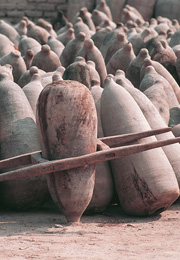
These lands are famous for its drinks based on fermented grape, good wines and the famous Pisco. The Pisco is a Peruvian liquor, a pure grape brandy used to prepare the national cocktail "Pisco Sour", that also includes white eggs, sugar, lime and cinnamon.   Close

Itinerary

1ST DAY
Transfer to the airport of Lima to take the private flight to Pisco, reception at the airport and transfer to the Paracas Luxury Collection Hotel.
Lunch or Dinner at the hotel (depends on the arrival time).
Overnight in Paracas.

2ND DAY
Breakfast at the hotel.
In the morning Luxury Yacht excursion and it consists of a three hour boat trip to the Ballestas Islands to observe wildlife there: sea lions, penguins, and other marine birds. It is a unique experience that includes refreshments and lunch onboard the yacht.
In the afternoon Desert Adventure:
It is claimed that Paracas is the most arid desert in the world; rain is quite infrequent, and its dunes create an incomparable image at evening or dawn. This region, where the winds blow from east to west, teems with history and culture, and the landscape will take your breath away, we will cross the desert in SVU's driven by experts who know the spectacular Paracas dunes. It all ends with a dinner under the stars in a choice location. Live this incredible experience where it's just you and nature.
Overnight in Paracas.

3RD DAY
Breakfast at the Hotel.
In the morning transfer to the airport of Pisco to take the flight to Nazca and see the lines from the Air, on the way we will enjoy the beauty of the Paracas sand dunes and gaze in wonder at the enigmatic Nazca Lines in a low altitude flyby in our Cessna Caravan, there are many theories about these lines and incredible designs, some almost 300 meters long,… runways for alien spacecraft, lines of a giant seismograph… however, Maria Reiche, who spent her life studying them, has come up with the most plausible theory: that they form a gigantic astronomical calendar based on the movement of the sun. The lines themselves run from simple designs to more than 30 complex animal figures, such as a monkey, spider, and hummingbird.
Lunch at the hotel.
Transfer to the airport of Pisco to take the private flight to Lima.
Assistance to take the international flight.

4TH DAY
Breakfast at the Hotel.
Private transfer to the airport.
COLCA CANYON & AREQUIPA

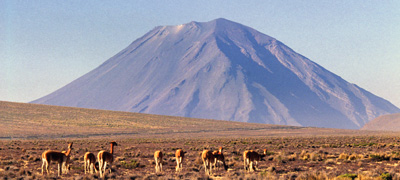
The Colca river begins high in the Andes, at Condorama Crucero Alto, drops down to the Pacific in stages, changing its name to Majes and then Camana as it goes. Where it runs between the tiny mountain villages of Chivay to Cabanaconde is a deep canyon known as the Colca Canyon. This canyon is reportedly the deepest in the world, thought to be twice as deep as the Grand Canyon in the USA. Unlike most of the Grand Canyon, portions of the Colca canyon are habitable, with pre-Colombian terraced fields still supporting agriculture and human life.
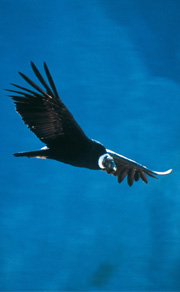
What brings increasingly more visitors each year, in addition to the awesome sights, are the Andean condors. The condor population of South America is unfortunately dwindling, but here in Colca Canyon, visitors can see them at fairly close range as they float on the rising thermals and scan for carrion far below them.   read more

The river and valley were well-known to the Incas and their predecessors, and the Spaniards laid out townships along the valley, no doubt planning to use Rio Colca valley as the route to Cuzco and other Andean locations. They built churches along the way, notably the one at Coporaque, but for some reason, the towns never grew and the route faded from outside memory.
It wasn't until the early 1930's that the Colca valley was explored again, this time for the American Geographical Society. Colca Valley has been known by different names: The Lost Valley of the Incas, The Valley of Wonders, The Valley of Fire and The Territory of the Condor. It has even been called one of the Seven Natural Wonders of the World."
In the 1980's, with the Majes Hydroelectric Project, roads opened the Colca to the outside. One of the attractions to visitors is a glimpse into a way of life that has endured in isolation for centuries.
Access now is usually from Arequipa, the second largest city in Peru and often called the Ciudad Blanca (White City) for the white volcanic ashlar stone used for building.
No matter what else you do, a highlight of the Colca Canyon is a stop at Cruz del Condor, the pass where condors soar gracefully on the rising thermals occurring as the air warms. You'll want to be there early to see the condors in flight. They hunt in the morning or late afternoon and watching them is an unforgettable experience. There are no railings, and the floor of the canyon is 3960 ft (1200m) below the viewing area, so please watch your step.
Colca Canyon can be visited any time of year, but it is most beautiful, and safer, after the rains cease. Live volcanos are nearby, and seismic activity can cause landslides or otherwise make the ground unstable. Volcan Sabancayo is more active than Ampato, which you may recall as the site where the now famous Ice Mummy was found.   Close

Itinerary

1ST DAY
Transfer to the airport of Lima to take the flight to Arequipa, reception at the airport and transfer to Las Casitas del Colca Hotel, located in about three hours from Arequipa.
Lunch at the hotel.
In the afternoon your private spa sanctuary awaits you.
Relax with your loved one in our spacious Samay Fireside Suite. Enjoy a private, pre-treatment Couple's Steam Shower, or sip elixirs while relaxing in our in-suite, fireside Couple's Soaking Pool with views of the Colca Valley.
Relish the luxury of side by side treatments and continue your time together after your treatments on the private outdoor terrace. Enjoy the beauty and serenity of the environment while imbibing in a beverage of choice and delicious tasting plate prepared by our Chef. As a memento of your experience, each of you will take home a special gift from Spa Samay.
Dinner at the Hotel.
Overnight.

2ND DAY
Breakfast at the hotel.
The skies of Colca Canyon hold many delights for bird watchers.
Numerous species live in the Colca Valley including the largest humming bird in the world (collibri), eagles and woodpeckers.

The Colca Canyon is best known however as the natural habitat of the majestic Condor, the sacred Andean Bird, perhaps the most famous of the indigenous bird life. These huge vultures, with wing spans of up to 3.2 meters are known for their elegant and spectacular flight.
Most often seen at the Cruz del Condor, these magnificent birds are a delight to behold.
Leaving at 06.30 a.m. the bus will arrive at Cruz del Condor in time to see these magnificent birds rising on the warm air currents.
After an hour watching the condor's exploits, guests can hike to the Priest's Cross and later take a fifteen minute bus ride to an extinguished volcanic crater.
An accompanied 45 minute hike by the crater passes by cactus forests, and the magnificent sight of the lagoon, home to many species of bird. Brunch is served at 10.00 after guests have returned from the crater. Returning by bus to Las Casitas del Colca.
In the afternoon At 14.00 guests are taken to Inchpampa in a vehicle where they meet their horse for the afternoon. Guests then return to the Las Casitas del Colca on horseback, stopping to visit a lagoon before crossing the bridge and returning via the old road from Yanque. Peruvian paso horse is a breed of light pleasure saddle horse known for its smooth ride.
Dinner at the Hotel.
Overnight.

3RD DAY
Breakfast at the Hotel.
In the morning City Tour to the Arequipa City visiting Santa Catalina Convent, main Church, time to shop some handcrafts and the traditional Arequipa sweets.
Lunch in a traditional restaurant.
Return to the Hotel.
In the afternoon visit the vegetable farm of Las Casitas del Colca, then feed the Alpacas in the farm.
Dinner at the Hotel.
Overnight.

4TH DAY
Breakfast at the Hotel.
In the morning transfer to the airport to take the flight to Lima.
TITICACA LAKE & PUNO

Puno city is the capital of the department of Puno. It was founded with the name of "Villa Rica de San Carlos de Puno" in 1668, by the Viceroy Count of Lemos, to end with the problems of possession of the silver mines of Laicacota of the brothers Gaspar and José Salcedo.
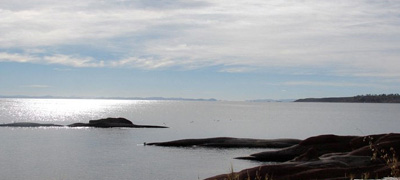
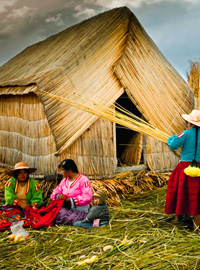
Lake port beside the Titicaca, the highest navigable lake in the world. It have landscapes of indescribable beauty, it has been the origin and cradle of big pre-Hispanic civilizations as Tiahuanaco, Collas and Aymaras, and of the mythical legend of Manco Capac and Mama Ocllo who emerged of its waters and went to Cuzco to found the capital of the Inca empire. The Uros, famous and ancestral people that live in floating artificial islands, or the indigenous communities of Taquile and Amantani that maintain their customs and rites without changes in the course of the time, amid unique landscapes.   read more
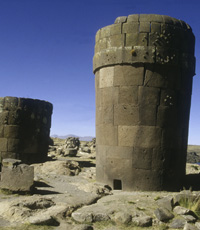
Very near the city you will find interesting archaeological remains of Pre-Hispanic cultures, as the chullpas of Sillustani inside the Ecological Reserve of Umayo, Pucara, or old cities of Spanish foundation as Chucuito, Juli and Pomata that harbor jewels of the architecture and colonial art, expressed in their temples and churches that flourished as product of the fortune of the silver mines of this region and the Spanish conquest of the Paraguay and of the Mojos.
Puno has been denominated the "Capital folklórica del Perú" (folkloric capital of Peru) by the wealth of its artistic and cultural expressions. Especially through the dance; there are registered more than 300 from the 1,500 existing in the national environment, autochthonous dances that reach their biggest manifestation in the celebrations of the Feast of the "Virgen de la Candelaria" and the Regional Contest of Autochthonous Dances.
The native resident of Puno is of the ethnos Aymara (12.9% population of Peru); their language is the Aymara. For the subsistence in height average of 4,000 meters above sea level (13,122 feet) and with a cold climate, they have achieved an excellent adaptation. The color of its skin is dark, high lung capacity and development of the thorax; they have two more litters of blood then the average, with high content of red globules, what grant them great physical resistance. Many of them are dedicated to the elaboration of beautiful crafts and fine fabrics in alpaca wool.
In the plains and mountains of Puno it will be common to find herds of llamas and alpacas, being the area of more intense development of this cattle raising, originating beautiful panoramas in places where trees and vegetation almost not exist.   Close

Itinerary

1ST DAY
Transfer to the airport of Lima to take the flight to Juliaca, reception at the airport and transfer to the Lake Port for the overwater excursion to the Uros Floating Islands on the way to the Hotel.
The Uros Islands are inhabited by local descendants from the most ancient culture of the continent, they lived in the archipelago of more than 40 man-made reed islands. We will learn how they survived by catching fish, used reed in amazing way anr traded with land-based settlers.
Upon arrive at the hotel rest and enjoy the scenery to adapt the high altitude.
Lunch at the Hotel.
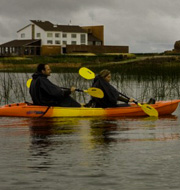
Enjoy teatime followed by afternoon excursion rowing through the reeds nearby where you can observe interesting endemic birds, striking landscapes of a unique geography.
Dinner is served after enjoying evening cocktails.
Overnight.

2ND DAY
Breakfast at the hotel.
At proper time excursion to Taquile Island on a 45 minutes boat ride across the lake. Taquile is considered the most interesting island in the area because of its pristine way of life, unique history and amazing crafts. The Taquile people are Quechua origin as opposed to the majority of region´s locals who are of Aymara origin. As part of the Inka Empire the Island has archeological remains located on the peak of the mountain.
From the Island we can view the impressive snow caped Cordillera Real located in Bolivia, the Titicaca Lake is border line between Peru & Bolivia. The Island enjoys a favorable microclimate for agriculture producing crops that do not normally grow at these altitudes, as part of our tour we can meet men knitting outdoors, creating some of the finest handcrafts in Peru.
Return to the hotel for Lunch and Siesta.
After teatime excursion to the Socca Beach, this is a rustic community near to the hotel, walk through the broad sandy shores between wetlands and farms where we can appreciate the local dress and pace, here we will the pleasure to enjoy magnificent sceneries as the sunset and the first stars set in.
Dinner is served after enjoying evening cocktails.
Overnight.

3RD DAY
Breakfast at the Hotel.
On the third day full day excursion to Inka Awatani and the colonial churches of Juli and Pomata, colonial and architectural sites. The excursion begins with a drive to Inca Awatani and then climbing on foot up a rocky trail to see interesting Inka remains, which have finely polished sets carved out of large rocks from where we can enjoy a stunning panoramic view, when descending visit the local community and appreciate its colorful textiles.
Continuing the journey south to visit the mystic door of Amaru Muro, believed to be an inter-dimensional portal by local shamans. Then we will visit colonial churches of Juli and Pomata, the former evangelization centers of the highland plateaus, these churches have striking architecture, gold-leafed altars, remarkably maintained paintings of the XVII century and massive bells that still toll.
Picnic Lunch offered during the excursion.
Return to the hotel for cocktails and dinner.
Overnight.

4TH DAY
Breakfast at the Hotel.
In the morning transfer to the airport to take the flight to Lima.
CUZCO & MACHUPICCHU

The origins of Cusco get lost in the night of times. Archaeological excavations made us know that primitive residents inhabited the valley of Cusco (except for its bottom, then marshy) near three millenniums ago. Toward the XII century, Manco Cápac and his sister-wife Mama Ocllo emerged from the waters of the Titicaca Lake, semi Gods daughter and son of Inti (the god Sun), with the mission of the foundation of a new Kingdom that would improve the conditions of life of the towns. Manco Cápac and Mama Ocllo would have to walk until finding a place in the earth where the great gold scepter that Manco Cápac had would submerge, they walked to the north and they arrived to Pacárec Tampu (Pacaritambo) where rested in a small cave; to the dawn they continued to the north arriving to the hill Huanacaure and there the scepter submerged, and there he founded the city of Cusco (Quechua Language: the navel of the world). At that time Cusco was a city of admirable architecture made in stone with wide plazas, big temples and palaces decorated with abundant gold pieces. Many of these colossal constructions have been built for the eternity. The Spanish Cusco has like base the foundations of the Inca walls and the lines of its streets, numerous buildings and churches were built, and a flourishing art school was founded (XVII century - XVIII), represented by numerous painters and authors (paintings of the "Escuela Cusqueña", pulpit of San Blas, Custody of the Cathedral and the Iglesia de la Merced, etc.)   read more
Cusco is the most visited tourist destination in Peru, and the wealthy attractiveness in the city and its areas around, as well as "Ciudad Perdida de los Incas" (Lost City of the Incas), Machu Picchu, transforms it into one of the main tourist attractiveness of the world. Nowadays, Cuzco is known for its indigenous population--often seen on the streets in traditional clothing--and its substantial tourist-fueled night life. Cusco is located at 3,400 m above sea level.

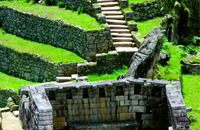
Sacred Valley of the Inkas, called this way to the end of the extensive valley of Urubamba, near Cusco where the agricultural cattlemen and beautiful towns were concentrated since Inca times. The valley is characterized to have very special conditions, as an excellent climate, very fertile lands and the waters of the sacred river of the Inca, the Vilcanota (in Quechua language: sacred or wonderful thing) that, in the town of Urubamba, changes name to Urubamba River. "Valle Sagrado" is embraced between the towns of Písac and Ollantaytambo, it has wonderful landscapes where its inhabitants, native of the Quechua ethnic, conserve many customs and ancestral rites. It is the area where you can appreciate and magnify the high technological development that the Inca reached in the agriculture through "andenería" systems (platform systems that are a group of earth patches arranged in steps on the hills to be used in the sow). These systems are still today in full production, with sophisticated designs and hydraulic engineering works that they used for watering. Also outstanding adoration centers to the Pachamama (mother earth).

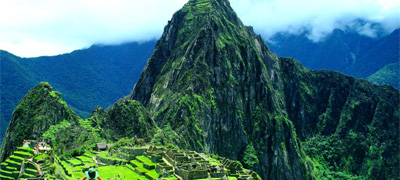
Machu Picchu: it is a mystical place, a monument to divinity, where people can feel that they are a creation of God. The high sense of spirituality that inhabits this place seems to transport its visitors to a place where everything "in an unimaginable way" is possible. It is a place where strange forces of nature allow the individuals to reach an incomparable cosmic state, a state that can only be experimented in Machu Picchu.
It is one of the most popular archaeological sites of the world, and therefore, the most visited attraction in Peru.
The Citadel of Machu Picchu (in Quechua language "Old Mountain") is known throughout the world for its amazing ruins and its unusual location on a high mountain overlooking the mighty currents of the Urubamba river.
Even today nobody has been able to solve the mystery how the builders and designers managed to transport the huge blocks of limestone to the top of the mountain required for the construction of the city.
Probably built during the 15th century in a very difficult location, it is the greatest achievement of the Incas architects due to the intelligence and dare demonstrated by their design. It has an extent of 13 sq/km and its main functions were military and religious. It used to be surrounded by an outer wall with a height of 6.00 m. and a width of 1.80 m. and it is estimated that it was inhabited by 10000 people. Built of limestone (the outer and inner walls), wood (doors and frames), and ceilings made of straw.
Machu Picchu is located 2300 meters above sea level (7546 ft.), at 112 km. (70 miles) from Cusco, in the valley of Urubamba in the lowest part of the Sacred Valley of the Incas in a area of direct access to the upper jungle. Without doubt, Machu Picchu was part of a very big complex of fortresses which defended the Andean lands in Sacred valley of any assault from native people out of the jungle.
Having Huayna Picchu as a background they divided Machu Picchu in four sectors. Northwest is located the area that was probably used for the main religious purposes, that includes a Plaza named by Hiram Bingham as "Sacred Plaza", also the temple of the "Three Windows", "The Sacred Temple", the "Priests Mansion", and the "Intihuatana" that is a large block of limestone used during Inca ceremonies.
The "Intihuatana" (in Quechua = place where the sun is bonded) is a solar observatory that allowed the Incas to keep track of the seasons of the year and the flow of time based on the shadows caused by the sun over the stone.
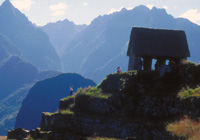
The largest residences are located on the northeast of the complex. The most luxurious residences and also a watch tower are located on the southwest of the complex and therefore it is assumed that this part of the Citadel was probably the heart of all the urban activities.
To the southeast of the complex are located the smallest and most humble of the buildings built around very narrow streets, close to numerous terraces constructed for agricultural purposes as denoted by the existence of a very complex aqueduct system in this area. In the lowest part of the terraces is a cemetery, where during a search were discovered 135 skeletons and 109 of them were identified as females. This fact has allowed historians and archeologists to believe that Machu Picchu's inhabitants were mostly females that could have been the chosen ones of the Inca, fleeing from Cusco when it was overrun by the Conquerors of Spain and seeking refuge in Machu Picchu that, by the way, was never discovered by the Spaniards.   Close

Itinerary

1ST DAY
Private transfer to the airport to take the flight to Cusco, reception at the airport and private transfer to hotel, after having a necessary rest, around 02:00 pm start the private city tour which includes the main Cathedal, Koricancha ruins, actually Santo Domingo Convent, Sacsayhuaman, Q'enqo, Puca Pucara, our last destination, just located near from Puca Pucara is Tambomachay, return to the hotel.
Overnight in Cusco.

2ND DAY
Buffet Breakfast at the Hotel.
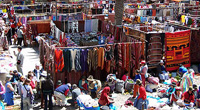
Private transfer and excursion to the Sacred Valley excursion visiting the Indian market and the ruins of Pisac where we see the Intihuatana, then visit the Ollantaytambo fortress as well as Chincheros, transfer to the hotel in the Sacred Valley.
Buffet Lunch at the Tambo del Inka Hotel.
Overnight in the Sacred Valley.

3RD DAY
Buffet Breakfast at the hotel.
Private transfer to the train station at Ollantaytambo to board the Hiram Bingham Luxury Train Service to Machu Picchu.
Lunch on the train, you will arrive to the Aguas Calientes town located down the hill to access to the ruins.
Private transportation to the hotel on the entrance of the ruins.
At proper time private excursion to the ruins of Machu Picchu.
Dinner at the Hotel.
Overnight at the Machu Picchu Sanctuary Lodge.

4TH DAY
Buffet Breakfast at the Hotel.
In the very morning private excursion to Hayna Picchu, it will be a magical experience and it allows to see Machu Picchu from a different view.
Buffet lunch at the hotel.
In the afternoon private transportation to Aguas Calientes train station to take the Hiram Bingham Luxury Train Service to Cusco, dinner on the train.
Overnight in Cusco.

5TH DAY
Buffet Breakfast at the Hotel.
Private transfer to the airport in Cusco to take the flight to Lima

AMAZON RIVER

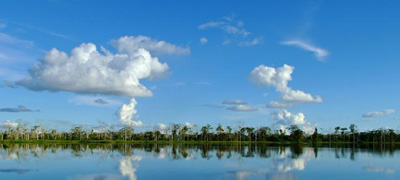
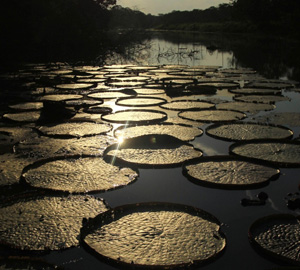
Iquitos and the Amazon River are an ideal place for lovers of the eco-tourism, and for the ones who want to feel an intimate contact with the virgin nature of the Amazon rainforests. From the city you will be able to go to jungle lodges, and for the most adventurous and fearless you can arrive to protected natural areas, full and plethoric with exuberant flora and fauna, with many undiscovered places, and many alive species unknown by science. Iquitos city is the capital of the department of Loreto, located in the heart of the Peruvian rainforest, less than 4° south of Ecuador, and next to the left river bank of the Amazon River. Iquitos is the world's largest city that cannot reached by road. Iquitos was a village inhabited by the wild tribe called the "Iquitos" from whom the name was taken in the moment of its foundation in 1864.   read more
During the Spanish Colony and the gold fever caused by the legends of "El Dorado" (The Golden) and the "País de la Canela" (Country of the Cinnamon), Iquitos never had historical figuration. In 1883 began in this city the era and peak of the rubber, the exploitation of their latex and trade made that some reached immense fortunes, it brought the prosperity of the city and the construction of mansions of rubber barons began, some with tiles brought from Portugal. In those days, Iquitos had better communications, with Europe, through the Amazon River, better than with the city of Lima. Part of the characteristic of this time was the acquisition of a house built by Gustave Eiffel in Paris and today located in the Main Square of Iquitos, the Iron House. The end of the era of the rubber arrived in 1912. From then on, Iquitos has always been the main fluvial mean and principal Amazon port of Peru; its economic activity has been centered in the commercialization of its natural resources and lately the exploration and production of petroleum. The people of Iquitos in its great majority are natural descendants of regional aborigines tribes and of the miscegenation. The people's temper is very noble and cheerful, lover of the amusement. Iquitos is also famed by the quantity of men that arrived to the city and lost their bachelorhood, because of the affection that women in this region give to the visitors. The population has many myths and legends, some occult; there is a great diffusion of the folkloric medicine and the faith to be cured with those medicines based on the great quantity of medicinal plants that exist. The typical public transportation in the city is the "mototaxi" or "motocar", it is a motorized tricycle used for passenger transportation.   Close

Itinerary

1ST DAY
Private transfer to the airport to take the flight to Iquitos.
Arrival, your guides await you, as your flight from Lima glides in for landing at Iquitos International Airport. After you've claimed your luggage, you will board an air-conditioned bus for your journey to the river.
Transfer to Iquitos' Main Wharf.
There the M/V Aria awaits you.
Embarkation and Check-In
From the moment you step on board, you will enjoy the M/V Aria's atmosphere of low-key luxury. As you settle into your handsomely appointed, over-sized suite, you will feel the vessel begin to move –the beginning of one of the great adventures of your life. Stand on the Upper Deck to take in the view, as the M/V Aria leaves Iquitos behind.

Over the next three days, you will also sail along the largest tributaries of the Amazon, as well as the mighty Amazon itself. You are embarking on a spectacular adventure, to a place visited by only a few of even the most experienced world travelers.
Safety Drill and Briefing on the Upper Deck
Before dinner we will perform a routine safety drill. Then it's into the air-conditioned lounge, where you will learn about life onboard, and will have the first of the nightly briefings about your adventure to follow. You will meet the naturalist guides and the cruise director, who will use video, photos, and maps to explain the details of your journey into the Amazon.
Welcome Dinner
Sit down, relax, sample some fine South American wine, and enjoy the truly world-class cuisine, created by Executive Chef Pedro Miguel Schiaffino, his recipes, with the imaginative use of local products – fruit, fish, spices – make every meal a delightful adventure. (The menu always offers choices, including a vegetarian option.) Toast the beginning of a beautiful journey.
Perhaps enjoy a nightcap on the Upper Deck, under the stars, before retiring.

2ND DAY
6:30 a.m. See the Sun Rise Over the River
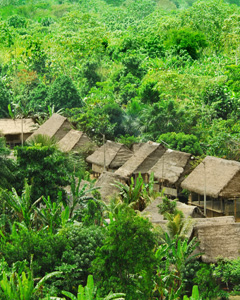
Be up early to catch your first glimpse of the majestic Amazon River, as you watch the sun rise over this green world filled with wonderful wildlife. This initial contact with Amazonia is only a brief sampling of what the rest of your journey will hold. Breakfast, our sumptuous daily breakfast buffet features a wide choice of traditional breakfast egg dishes, plus Peruvian specialties, and fresh-squeezed juices, made from tropical fruits you've never tasted before.
Explore the Yacapana Isles
Locals call the Yacapana Isles the "the Isle of the Iguana" thanks to the great number of these reptiles, resembling tiny dinosaurs, which inhabit them. Amazonian beliefs state that if you touch an iguana, you will develop some of its characteristics and, as no one wants to look like one of them, these animals are well protected.

We will pass very close the islands aboard the launches, giving you an opportunity to take good photos of the flora and fauna that we are able to observe along our route. We will also have the opportunity to go fishing for the infamous piranhas with our naturalists.
Return to the M/V Aria
While the boat continues its journey along the Amazon River, you will have free time to rest or take a siesta before lunch.
Lunch, enjoy a light lunch in the air conditioned dining room.
Expedition to the Yarapa River
As the sun sets, you will have the once-in-a-lifetime opportunity to see and photograph both gray and pink freshwater dolphins. The people of the Amazon believe that these dolphins turn into humans to steal handsome men or pretty women from their villages during celebrations. Once the sun sets and the jungle is dark, we begin our search for caiman, frogs, and different kinds of nightlife.
Return to the boat
Before dining, we recommend drinking a pisco sour as an aperitif on the top deck, while watching the sunset.
Dinner.
Overnight.

3RD DAY
Breakfast
Visit to the seasonally-flooded forests of Yanallpa
This morning you will explore with our guides the Yanallpa Stream looking for wildlife such as the bald uakari monkey, squirrel monkeys, saddleback tamarin monkeys, sloths and many other species. We will observe the trees which grow in these seasonally-flooded areas and our guides will explain the natural mechanisms through which the vegetation withstands the water during these months.
Return to the M/V Aria
Lunch, followed by a siesta
Excursion to watch Monkeys and Dolphins
On this trip, you will be able to appreciate the different types of freshwater dolphin, including the rare pink dolphins found along the Ucayali River. We recommend that you bring your binoculars as there will also be opportunities to observe some species of birds, among which the macaws stand out, as well as a spectacular sundown. Depending on how the evening progresses, you will be able to watch nocturnal wildlife on the Dorado River, especially the caimans. Sometimes, our guides attempt to capture some of these ancient reptiles and you will have the opportunity to take photos.
Return to the M/V Aria
Dinner
Overnight.

4TH DAY
Breakfast
Birthplace of the Amazon
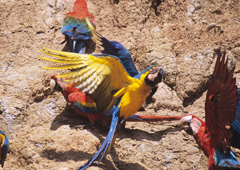
This morning, the M/V Aria skirts the edges of the vast Pacaya-Samiria Reserve, a flooded forest covering five million acres at the headwaters of the Amazon basin. Rise early and be on your skiffs at 8:00 a.m. to view one of the great spectacles of the Southern Hemisphere: the sun rising over the birthplace of the Amazon River. Here—where the union of two major tributaries, the Ucayali and the Marañon, form the world's greatest waterway—nature is at its most dramatic. Your dawn excursion will be accompanied by abundant bird song, as you glide in small boats past river banks populated by large-billed terns, laughing falcons, gray tanagers, sandpipers, five kinds of parakeets, the exotic short-tailed parrot, and dozens of other birds.
Puerto Miguel Village
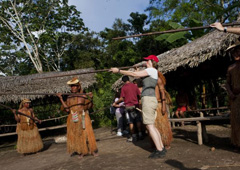
We will travel by skiff to Puerto Miguel native village, where the local people will extend you a very warm welcome. With your guide acting as interpreter, you can talk with them about their way of life along the river.
Lunch
Disembarkation and transfer to the Airport
Arrival in Lima airport and assistance to connect your flight.
MANCORA BEACHES

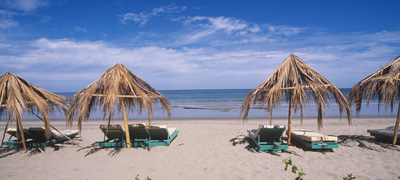
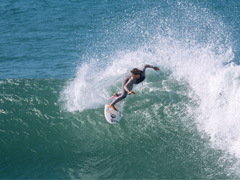
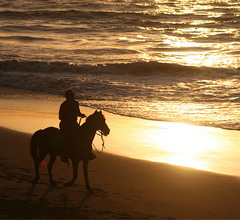
A paradise of northern Peru, Mancora is a beach resort with nice weather, blue water, comfortable beaches and good waves. It´s located on north coast in the region of Piura, a region known for its warm tropical, dry or semi-tropical beaches. Ideal for surfing and relax. The droll about this place is despite an active nightlife with many clubs, and many tourists visiting this place every year, the beaches still offers private and quite surrounding to relax in. The northern part of Piura is well known for its varied and delicious sea cuisine, such as the very popular dish "Ceviche". Two ocean currents make this place by the Pacific Ocean exotic and it's definitely worth a visit. Walking through the Mancora beaches seashore is a total relax. There are beautiful landscapes, Little crabs running through the rocks while seabirds are trying to eat some fish that jump in the sea, is just one of the many natural scenes you can see here.

Itinerary
1ST DAY
Private transfer to the airport of Lima to take the flight to Piura, reception at the airport and private transfer to the DCO Lounge & Spa Hotel located in Mancora about three hours and a half from Piura.
Lunch or Dinner at the hotel (depends on the arrival time)
Overnight in Mancora.

2ND DAY
Breakfast at the hotel.
Just relax and enjoy a morning walking on the beach with a warm water temperature.
A delicious sea food Lunch at the Hotel.
In the afternoon get an spa session with massage, steam chamber and private Jacuzzi.
See the sunset from you suite enjoying a French Champagne.
Dinner.
Overnight.

3RD DAY
Breakfast at the Hotel.
Spend all the morning in our pool an ocean view Jacuzzi with a Pisco Sour Cocktail.
A delicious sea food Lunch at the Hotel.
And in the afternoon a horse ride on the beach at sunset.
Dinner.
Overnight.

4TH DAY
Breakfast at the Hotel.
Private transfer to the airport of Piura to take the flight to Lima, reception at the airport of Lima.