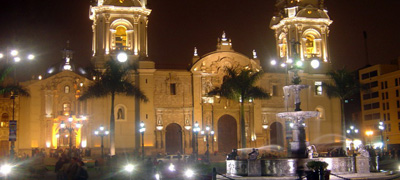
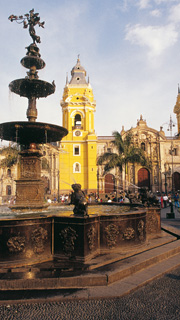
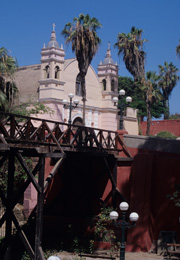
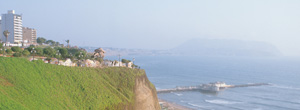
 Lima, capital of Peru, founded on January 18, 1535, is a modern city which, while constantly expanding, has also managed to maintain the elegance of its Historic center. Declared by UNESCO as a World Heritage Center, due to the large number of artistic monuments, Historic Lima is an enchanting haven of a period long gone.
Itinerary
 1ST DAY
 3RD DAY
 The citadel comprises temples, pyramids and palaces, such as the "Temple of the Sun", the "Temple of Pachacamac", the "Acllahuasi" or "Palace of the Virgins" of the Sun, amongst others. The whole area was considered holy and part of the mystical axis of the world.
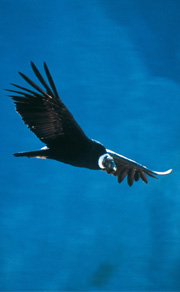
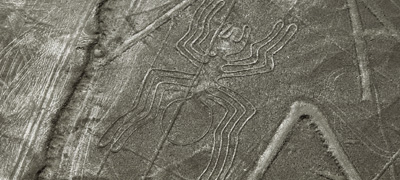 Paracas and Nazca are two different places but located in the same state at South of Lima, in the central coast. Paracas is a beach so it's at sea level, but Nazca is not so close to the coastline, it's at 600 meters or 2,000 ft. above sea level. It's hot and dry during the day, but cold at night (10°C or 50°F). It almost never rain, but in Paracas drizzles are common in winter. Paracas is a marine reserve, the only one in Peru, and the reason is the quantity of seabirds that stop there in their migration from South to North, and the diversity of sea mammals and fish in the sea in this area. The species that can be seen all year around are sea lions, seals, penguins, sea otters, dolphins and almost 2 hundred species of birds, including Andean condor, flamingoes, pelicans, and of course, seagulls. It are many spots in the reserve, but the most famous is the Ballestas Islands.
read more
Paracas and Nazca are two different places but located in the same state at South of Lima, in the central coast. Paracas is a beach so it's at sea level, but Nazca is not so close to the coastline, it's at 600 meters or 2,000 ft. above sea level. It's hot and dry during the day, but cold at night (10°C or 50°F). It almost never rain, but in Paracas drizzles are common in winter. Paracas is a marine reserve, the only one in Peru, and the reason is the quantity of seabirds that stop there in their migration from South to North, and the diversity of sea mammals and fish in the sea in this area. The species that can be seen all year around are sea lions, seals, penguins, sea otters, dolphins and almost 2 hundred species of birds, including Andean condor, flamingoes, pelicans, and of course, seagulls. It are many spots in the reserve, but the most famous is the Ballestas Islands.
read moreItinerary
 1ST DAY
 3RD DAY
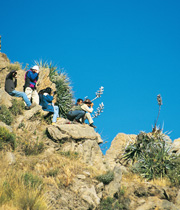
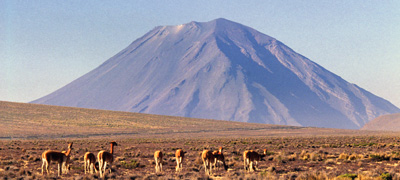 The Colca river begins high in the Andes, at Condorama Crucero Alto, drops down to the Pacific in stages, changing its name to Majes and then Camana as it goes. Where it runs between the tiny mountain villages of Chivay to Cabanaconde is a deep canyon known as the Colca Canyon. This canyon is reportedly the deepest in the world, thought to be twice as deep as the Grand Canyon in the USA. Unlike most of the Grand Canyon, portions of the Colca canyon are habitable, with pre-Colombian terraced fields still supporting agriculture and human life.
Itinerary
 1ST DAY
 3RD DAY
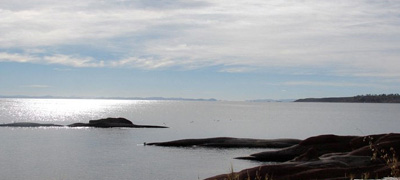 Puno city is the capital of the department of Puno. It was founded with the name of "Villa Rica de San Carlos de Puno" in 1668, by the Viceroy Count of Lemos, to end with the problems of possession of the silver mines of Laicacota of the brothers Gaspar and José Salcedo.
 Itinerary
 1ST DAY
 Breakfast at the hotel.
 3RD DAY
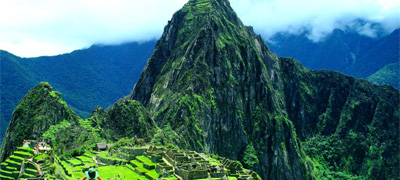 The origins of Cusco get lost in the night of times. Archaeological excavations made us know that primitive residents inhabited the valley of Cusco (except for its bottom, then marshy) near three millenniums ago. Toward the XII century, Manco Cápac and his sister-wife Mama Ocllo emerged from the waters of the Titicaca Lake, semi Gods daughter and son of Inti (the god Sun), with the mission of the foundation of a new Kingdom that would improve the conditions of life of the towns. Manco Cápac and Mama Ocllo would have to walk until finding a place in the earth where the great gold scepter that Manco Cápac had would submerge, they walked to the north and they arrived to Pacárec Tampu (Pacaritambo) where rested in a small cave; to the dawn they continued to the north arriving to the hill Huanacaure and there the scepter submerged, and there he founded the city of Cusco (Quechua Language: the navel of the world). At that time Cusco was a city of admirable architecture made in stone with wide plazas, big temples and palaces decorated with abundant gold pieces. Many of these colossal constructions have been built for the eternity. The Spanish Cusco has like base the foundations of the Inca walls and the lines of its streets, numerous buildings and churches were built, and a flourishing art school was founded (XVII century - XVIII), represented by numerous painters and authors (paintings of the "Escuela Cusqueña", pulpit of San Blas, Custody of the Cathedral and the Iglesia de la Merced, etc.)
read more
The origins of Cusco get lost in the night of times. Archaeological excavations made us know that primitive residents inhabited the valley of Cusco (except for its bottom, then marshy) near three millenniums ago. Toward the XII century, Manco Cápac and his sister-wife Mama Ocllo emerged from the waters of the Titicaca Lake, semi Gods daughter and son of Inti (the god Sun), with the mission of the foundation of a new Kingdom that would improve the conditions of life of the towns. Manco Cápac and Mama Ocllo would have to walk until finding a place in the earth where the great gold scepter that Manco Cápac had would submerge, they walked to the north and they arrived to Pacárec Tampu (Pacaritambo) where rested in a small cave; to the dawn they continued to the north arriving to the hill Huanacaure and there the scepter submerged, and there he founded the city of Cusco (Quechua Language: the navel of the world). At that time Cusco was a city of admirable architecture made in stone with wide plazas, big temples and palaces decorated with abundant gold pieces. Many of these colossal constructions have been built for the eternity. The Spanish Cusco has like base the foundations of the Inca walls and the lines of its streets, numerous buildings and churches were built, and a flourishing art school was founded (XVII century - XVIII), represented by numerous painters and authors (paintings of the "Escuela Cusqueña", pulpit of San Blas, Custody of the Cathedral and the Iglesia de la Merced, etc.)
read moreItinerary
1ST DAY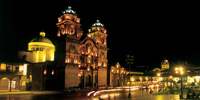
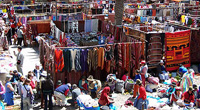
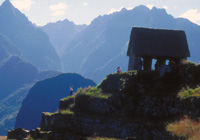
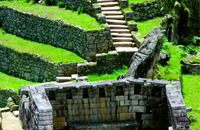
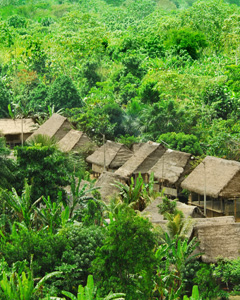
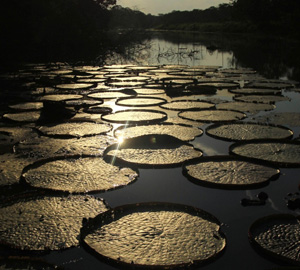
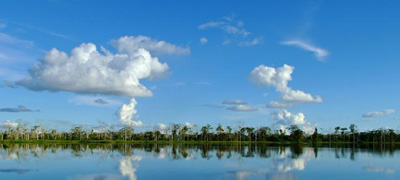 Iquitos and the Amazon River are an ideal place for lovers of the eco-tourism, and for the ones who want to feel an intimate contact with the virgin nature of the Amazon rainforests. From the city you will be able to go to jungle lodges, and for the most adventurous and fearless you can arrive to protected natural areas, full and plethoric with exuberant flora and fauna, with many undiscovered places, and many alive species unknown by science. Iquitos city is the capital of the department of Loreto, located in the heart of the Peruvian rainforest, less than 4° south of Ecuador, and next to the left river bank of the Amazon River. Iquitos is the world's largest city that cannot reached by road. Iquitos was a village inhabited by the wild tribe called the "Iquitos" from whom the name was taken in the moment of its foundation in 1864.
read more
Iquitos and the Amazon River are an ideal place for lovers of the eco-tourism, and for the ones who want to feel an intimate contact with the virgin nature of the Amazon rainforests. From the city you will be able to go to jungle lodges, and for the most adventurous and fearless you can arrive to protected natural areas, full and plethoric with exuberant flora and fauna, with many undiscovered places, and many alive species unknown by science. Iquitos city is the capital of the department of Loreto, located in the heart of the Peruvian rainforest, less than 4° south of Ecuador, and next to the left river bank of the Amazon River. Iquitos is the world's largest city that cannot reached by road. Iquitos was a village inhabited by the wild tribe called the "Iquitos" from whom the name was taken in the moment of its foundation in 1864.
read moreItinerary
 1ST DAY
  6:30 a.m. See the Sun Rise Over the River
 3RD DAY
  Breakfast
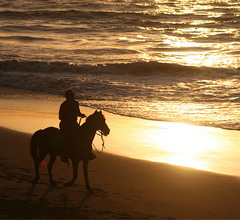
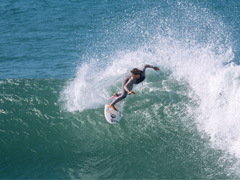
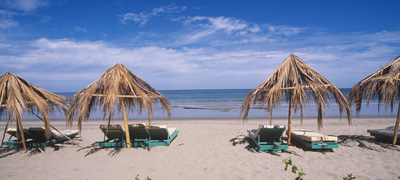 A paradise of northern Peru, Mancora is a beach resort with nice weather, blue water, comfortable beaches and good waves. It´s located on north coast in the region of Piura, a region known for its warm tropical, dry or semi-tropical beaches. Ideal for surfing and relax. The droll about this place is despite an active nightlife with many clubs, and many tourists visiting this place every year, the beaches still offers private and quite surrounding to relax in. The northern part of Piura is well known for its varied and delicious sea cuisine, such as the very popular dish "Ceviche". Two ocean currents make this place by the Pacific Ocean exotic and it's definitely worth a visit. Walking through the Mancora beaches seashore is a total relax. There are beautiful landscapes, Little crabs running through the rocks while seabirds are trying to eat some fish that jump in the sea, is just one of the many natural scenes you can see here.
Itinerary
 1ST DAY
 3RD DAY